


Mental Health Support for Irish Workplaces
Irish employers must protect staff wellbeing. With rising stress and absenteeism, organisations need proactive, compliant mental health support. HA | Wisdom Wellbeing provides evidence‑based assistance that builds resilience and reduces HR risk.
Early access to qualified mental health professionals
Reduced absenteeism and stronger workforce performance
Compliance with Irish employment law & wellbeing duties

Why it matters
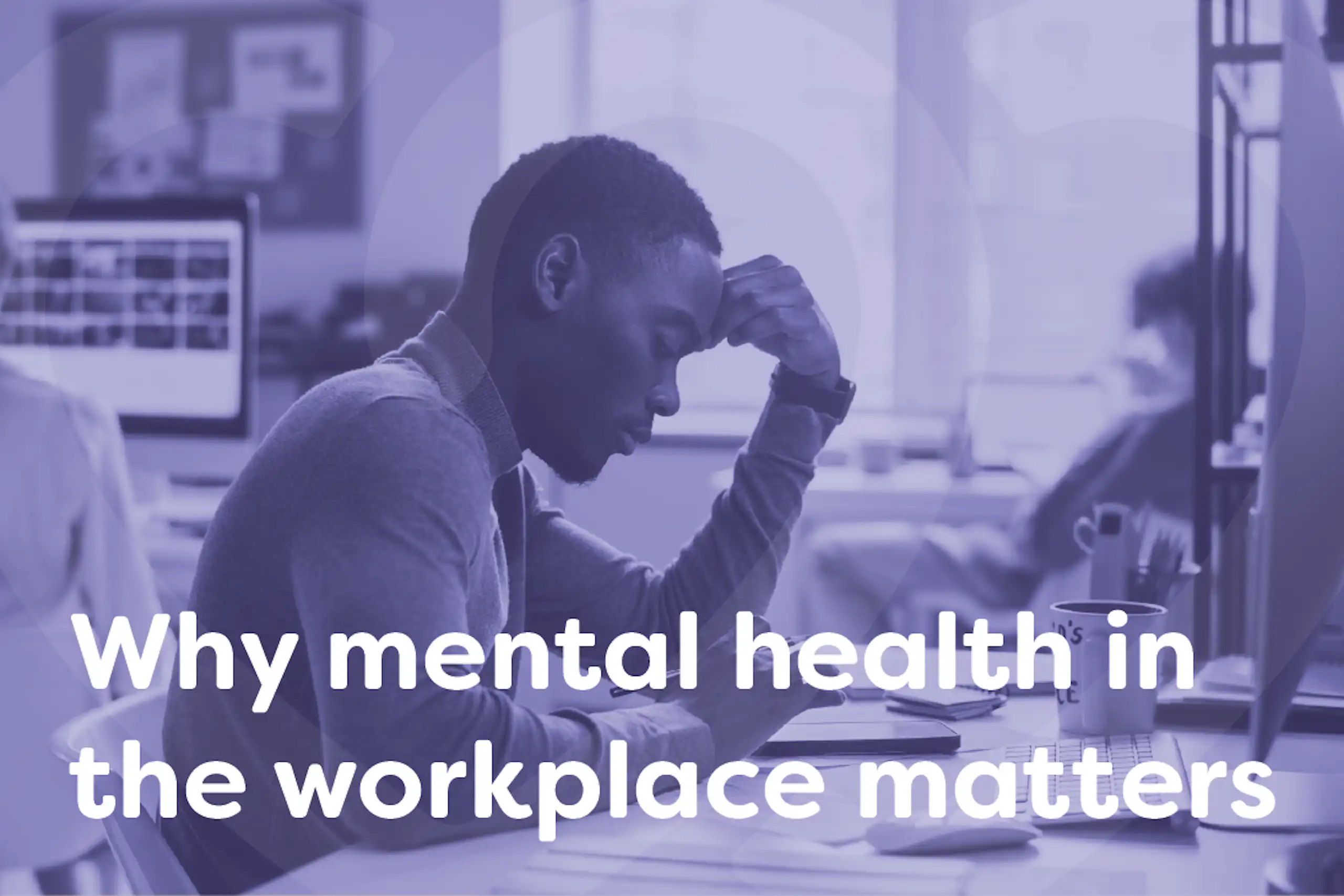
Workplace mental health is now a critical organisational priority in Ireland. Poor mental health drives long‑term absence, reduces productivity and increases HR risk. Employers must take reasonable steps to prevent work‑related stress under Irish legislation, including the Safety, Health and Welfare at Work Act 2005.
Strong mental health support improves performance, reduces turnover and protects your organisation from legal and operational disruption. An employer‑led wellbeing strategy is no longer optional—it is essential for sustainable growth.
Mental health statistics
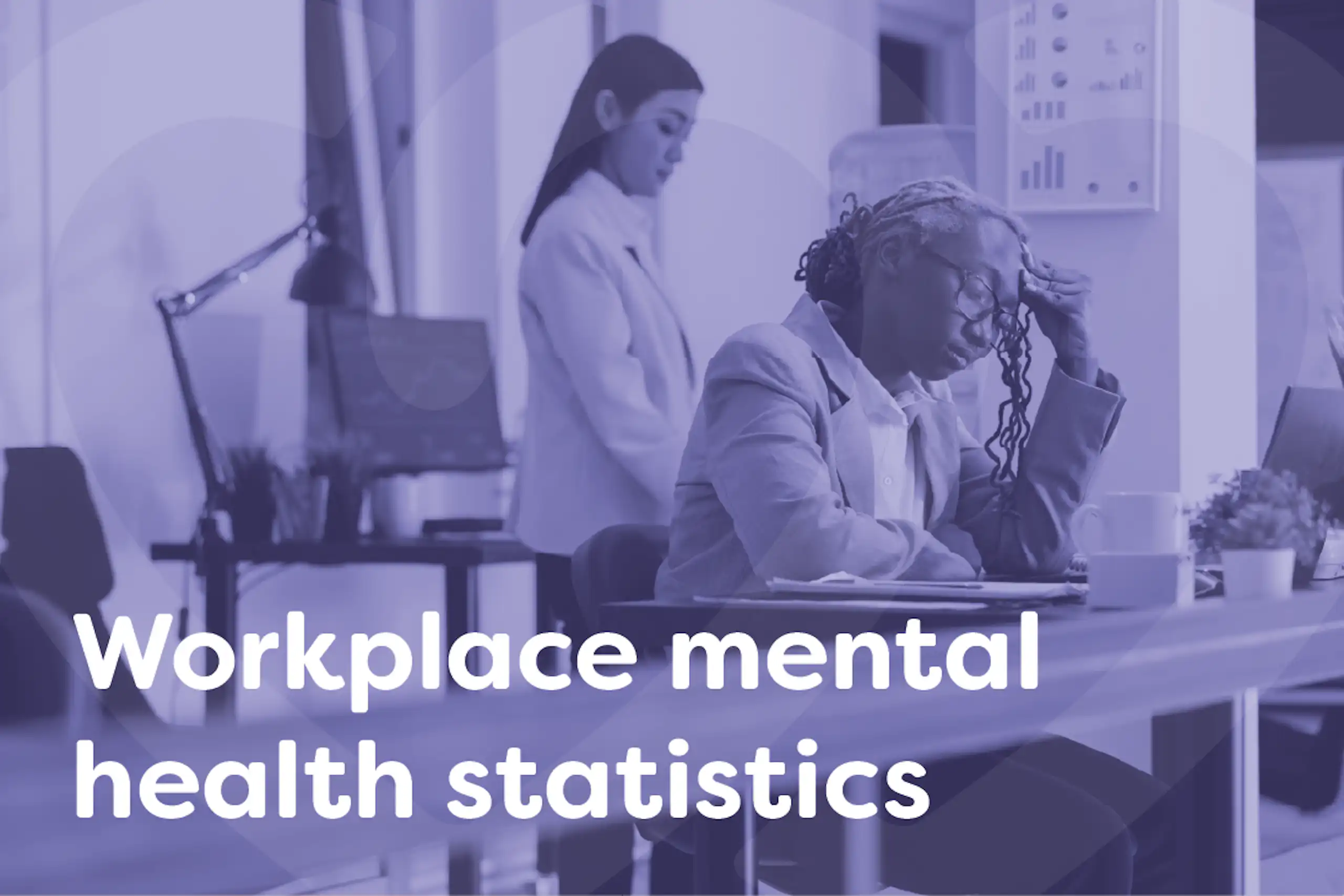
Irish workplaces are experiencing increasing levels of stress, anxiety and burnout. Recent wellbeing data shows:
1 in 5 Irish employees report that workplace pressures negatively affect their mental wellbeing
Young workers (18–24) are significantly more likely to experience stress‑related absence
Stress, anxiety and depression remain leading causes of workplace absence across Ireland
Poor mental health contributes to millions of lost working days and substantial organisational cost
Employers who fail to address mental health risks may breach duties under the Safety, Health and Welfare at Work Act 2005
With mental health challenges rising, employers must take proactive steps to safeguard their people and protect organisational performance.
How to improve workplace mental health
Improving mental health in Irish workplaces requires structured support, early intervention and clear policies. HA | Wisdom Wellbeing’s Employee Assistance Programme (EAP) provides confidential, professional guidance that helps employees manage personal and work‑related challenges before they escalate.
Employers can strengthen workplace wellbeing by:
Enabling early intervention to prevent long‑term issues
Providing fast access to qualified mental health professionals
Embedding wellbeing policies aligned with Irish legislation
Reducing absence duration and supporting return‑to‑work processes
A proactive, policy‑driven approach ensures compliance, protects your people and enhances organisational resilience.
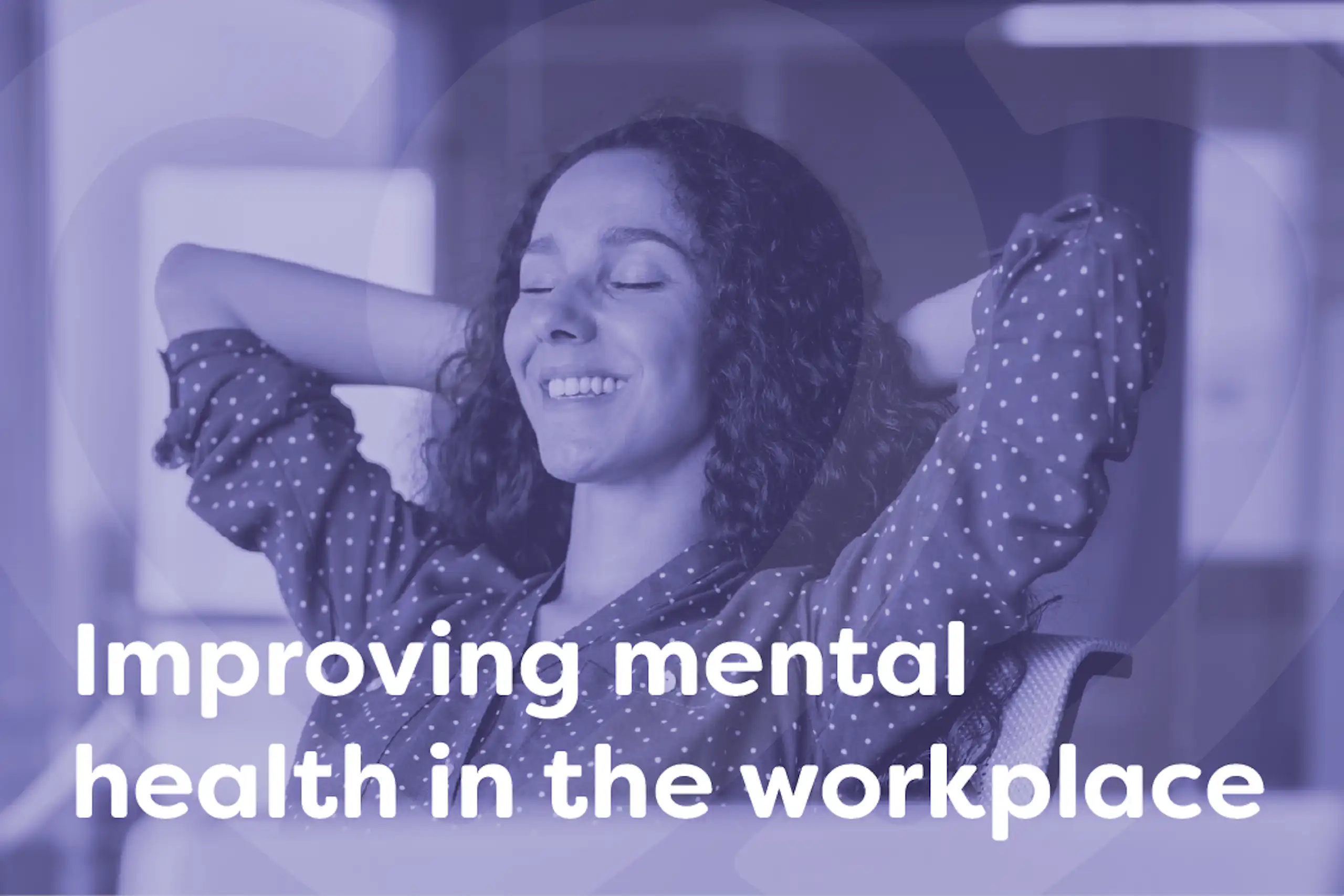
Supporting Mental Health at Work
A healthy workforce drives stronger business outcomes. When employers invest in structured mental health support, they benefit from:
Lower absence rates and reduced HR risk
Higher productivity and improved team engagement
Better talent retention and stronger organisational culture
Clear compliance with Irish workplace wellbeing duties
Reduced operational costs linked to stress‑related absence
Supporting mental health is not only the right thing to do—it is a strategic advantage for Irish employers.
Discover how and EAP can help your organisation
An Employee Assistance Programme (EAP) provides confidential, professional support for employees experiencing personal, emotional or workplace challenges. HA | Wisdom Wellbeing’s EAP helps organisations:
Strengthen wellbeing culture
Reduce stress‑related absence
Improve performance and engagement
Support managers with expert guidance
Protect compliance and reduce HR risk
To explore how an EAP can support your Irish workforce, request a demo or speak with our team.


Frequently asked questions
Related entities
Irish workplace wellbeing — National standards, employer duties and wellbeing expectations across Ireland.
Safety, Health and Welfare at Work Act 2005 — Core legislation outlining employer responsibilities for psychological health and safety.
Work‑related stress — A leading cause of absenteeism and reduced performance in Irish organisations.
Employee Assistance Programme (EAP) — Confidential professional support that strengthens workforce resilience and reduces HR risk.
Absenteeism management — Strategies to reduce stress‑related absence and support return‑to‑work processes.
Burnout prevention — Employer‑led approaches to reduce chronic stress and protect employee wellbeing.
Mental health policies — Structured frameworks that support compliance and create psychologically safe workplaces.
Manager wellbeing training — Skills that help leaders identify early signs of distress and respond appropriately.
Workplace culture — The organisational environment that shapes engagement, wellbeing and performance.
Occupational health support — Clinical guidance that assists employers with complex wellbeing or return‑to‑work cases.
Backed By Brands That Trust Us